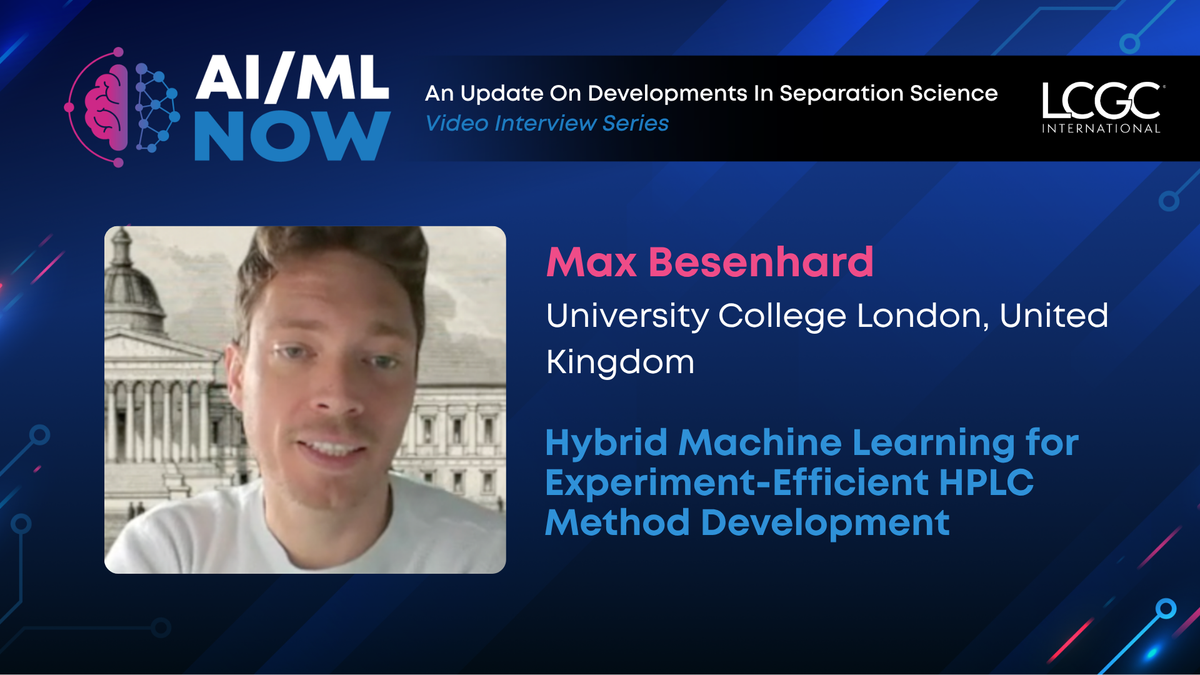
High-performance liquid chromatography (HPLC) method development is still largely trial and error, and the experiments can quickly use up a laboratory’s time, solvent and instrument capacity. In this interview, Maximilian Besenhard of University College London (UCL) discusses his group’s recent Journal of Chromatography A paper.1 which proposes a hybrid framework that combines mechanistic and data-driven modelling to cut the number of experiments needed to reach an optimized method.
The framework runs in two stages. First, a mechanistic model is calibrated while it is being used to optimise the method. Then a data-driven model is trained on the experiments from that first stage. Besenhard explains why combining the two approaches works better than using either one alone, and how the framework decides when to hand over from one to the other. He compares the number of experiments needed with conventional and purely data-driven approaches. He also covers what users need to know before they start, such as how many components are in the sample.
The conversation then turns to practical questions: What tends to make a mechanistic model poorly calibrated and how analysts can spot it, and what a calibrated model reveals about method robustness beyond the optimized conditions themselves. Finally, Besenhard describes the hardware, software and expertise a lab would need to adopt an autonomous “digital twin” workflow for HPLC method development.
A new coffee-table book puts Philippine fashion and distinctly Filipino artistry center stage, showing how they can express identity and serve as a powerful tool of cultural diplomacy.
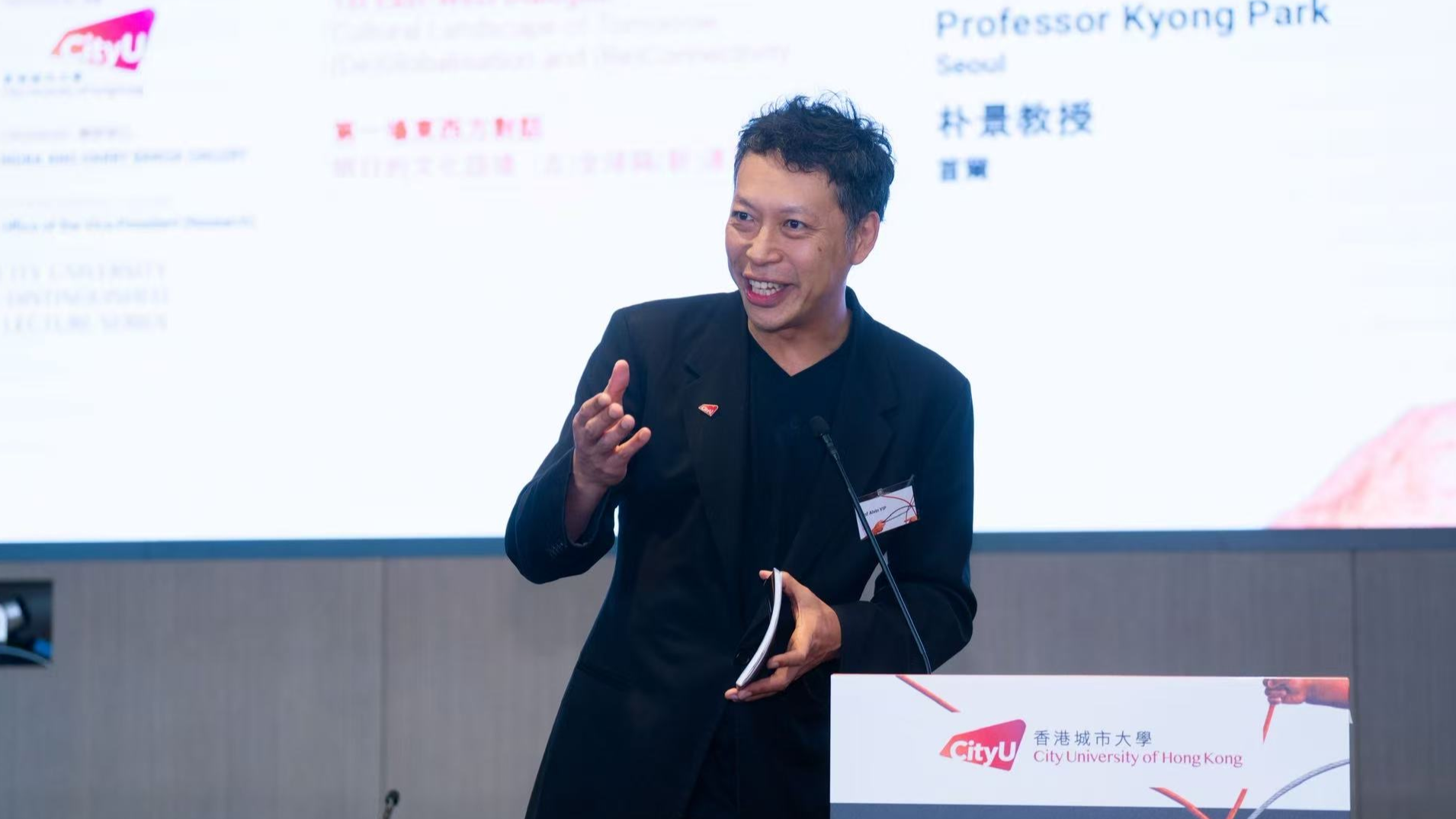
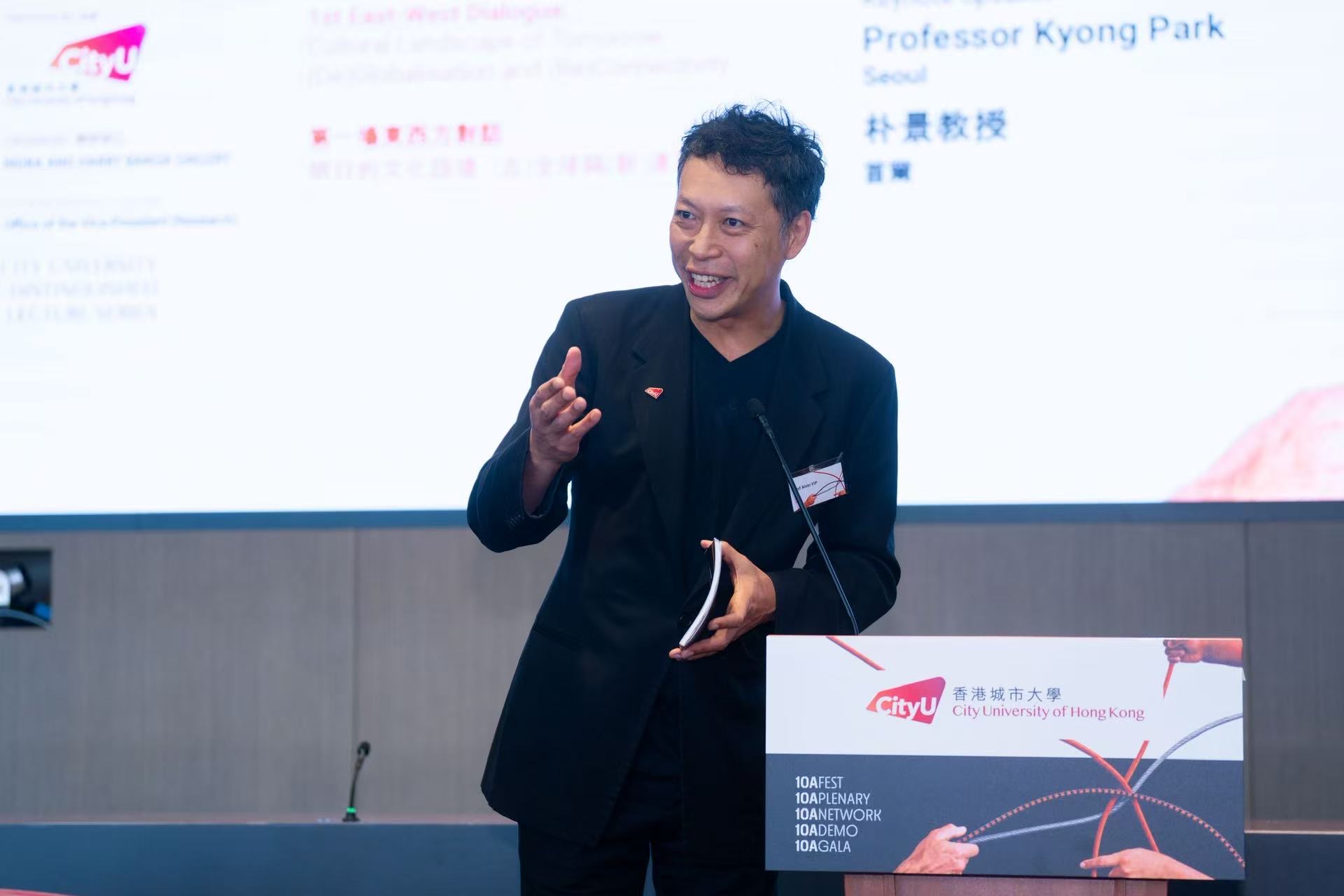
Alvin Yip, adjunct professor of architecture and director of the Indra and Harry Banga Gallery, highlights the gallery as the principal art-tech exhibition platform at City University of Hong Kong. (PROVIDED TO CHINA DAILY)
A City University of Hong Kong (CityUHK) gallery, celebrating its 10th anniversary this year, continues to explore unconventional ways to blend the university’s technical prowess with creative practices.
Alvin Yip, director of the Indra and Harry Banga Gallery, said that in today’s hyper-competitive global higher education landscape, CityUHK — and especially the gallery — stands out among institutions seeking to break down the rigid walls between scientific discovery and cultural expression.
Founded in 2016, the Indra and Harry Banga Gallery sets itself apart from traditional university museums, which have historically relied on private donations of classical artifacts. Yip emphasized the gallery’s ambitious curatorial philosophy, positioning it not only as a repository for beautiful objects, but also as a dynamic engine for interdisciplinary collaboration and a showcase for technological innovation.
“Our mission is defined by being interdisciplinary, intercultural, international, and interperiod,” Yip told China Daily in a recent interview.
Yip said the gallery deploys three distinct art-tech methodologies to translate complex academic data and scientific research into engaging public experiences.
The first methodology is digital museology, which uses advanced technologies to reconstruct lost or fragmented historical contexts. The gallery has previously used these tools to digitally animate the original, intricate architectural designs of the Yuanmingyuan (the Old Summer Palace) and create interactive digital models of Leonardo da Vinci’s visionary flying machines.
In another exhibition of traditional African art, curators developed an interactive game to help digital-native visitors understand the complex cultural contexts behind ritual masks and costumes.
The second methodology, “prototyping”, uses artistic media to make technological innovations emotionally resonant. For instance, a recent landmark exhibition featured 23 original scientific research outputs from Hong Kong, using filmmaking and narrative arts to transform abstract data into compelling human stories.
The third approach focuses on integrating art-tech practices, in which digital and physical elements are inseparable. One striking example involves close collaboration with professors from CityUHK’s School of Creative Media, through which the gallery regularly transforms rigorous academic theories into playable, immersive video game experiences.
The gallery’s agility comes from operating across disciplines within the university. This allows the space to act as a neutral, cross-disciplinary bridge, bringing together researchers from fields as varied as architecture, computer science, and creative media.
Looking to the future, Yip is eager to incorporate the next wave of technological developments, viewing generative artificial intelligence, virtual reality, augmented reality, and extended reality as vital extensions of the physical space rather than replacements for it.
He playfully referred to these tools as “new toys” that lower the technical barriers to creative expression. For instance, AI is significantly reducing the cost and complexity of controlling industrial hardware, such as robotic arms used in interactive artistic performances.
Ultimately, the gallery’s most profound mission is regional: to bring together museum directors and cultural practitioners from the Chinese mainland, the Hong Kong Special Administrative Region and Southeast Asia, to pioneer a distinctively Asian museological language, he said. For instance, by intentionally bringing future technologies and historical objects into the same physical space, the gallery seeks to move beyond the chronological or siloed categorization that has defined Western museology for centuries.
By moving away from post-colonial Western storytelling frameworks, the initiative aims to reclaim cultural sovereignty in how Asian history and local innovations are interpreted, he said.
BINALIKAN ng “Pinoy Dream Academy” alum na si Ronnie Liang ang araw nang kinailangan niyang mag-perform nang live ilang oras matapos ilibing ang kanyang ina.
Isa raw ito sa pinakamahirap na sandali sa kanyang life and career dahil kahit nga nagluluksa sa pagkamatay ng inang si Adelina Liang ay dapat niyang tuparin ang natunguang commitment.
Sa Facebook, ibinahagi ni Ronnie ang video ng kanyang performance sa Wish Bus noong 2017 kung saan kinanta niya ang kanyang hit song na “Ngiti” matapos ihatid sa huling hantungan ang kanyang nanay.
“Ito yung isa sa pinakamahirap at pinaka-challenging na guesting ko. Kakalibing lang ng Nanay ko at that time—like, hours ago lang—but I still needed to attend and perform,” ang pag-alala ni Ronnie.
Kitang-kita sa video ang pagiging emosyonal ni Ronnie sa kanyang pagkanta at halatang pinipigil din ang pagtulo ng luha.
“Yung kakalibing ng NANAY ko, like hours ago lang but I need to perform. Ito yung isa sa pinaka naging mahirap and challenging na guesting ko.
“Kunwari na-uubo para hindi halata nma teary-eyed ako,” ang pahayag pa ng OPM artist at Philippine Army reservist.
Ibinahagi rin ng singer-actor ang ilang litrato sa libing ng kanyang ina kung saan kailangan pa rin niyang kumaway at ngumiti sa mga fans sa labas ng Wish Bus.
Baka Bet Mo: Ronnie Liang: Pangarap ko talagang maging presidente ng Pilipinas
“Kailangan ngumiti pa rin at kumaway sa audience sa labas pero wala sila anumang ideya sa nangyayari (sa akin),” saad pa niya.
Patuloy pa niya, “It was a live guesting, and it had already been announced so that it couldn’t be canceled daw. The show still had to go on. #RonnieLiang #Ngiti #undas #ProfessionalismMatters.”
Sa isang panayam, binalikan ng binata ang pagpanaw ng ina na na-diagnose ng pneumonia. Nasa Manila raw siya noong isugod sa isang ospital sa Angeles, Pampanga ang nanay niya.
“Everything was so sudden. She had just called me two days before and asked if I already had lunch and if I needed the laundry picked up. She told me that she had just seen my music video on TV,” sabi ni Ronnie na aminadong Mama’s Boy.
“My mom was the best. She endured all of life’s hardships without a single complaint,” he said. “Even though she had gout, she took care of us. She was selfless. She was very particular about cleaning our house,” sabi ng binata.
Ilan sa kanyang mga cover songs ay iniaalay niya sa kanyang namayapang ina tulad ng “Iingatan Ka” at “Salamat sa Iyo, Ina.”
The post Ronnie Liang kinailangang mag-perform kahit kalilibing lang ng ina appeared first on Bandera.
Vast crowds thronged one of the main boulevards in Buenos Aires as Pope Leo arrived for an outdoor Mass that city officials said could draw more than 1.5 million people.
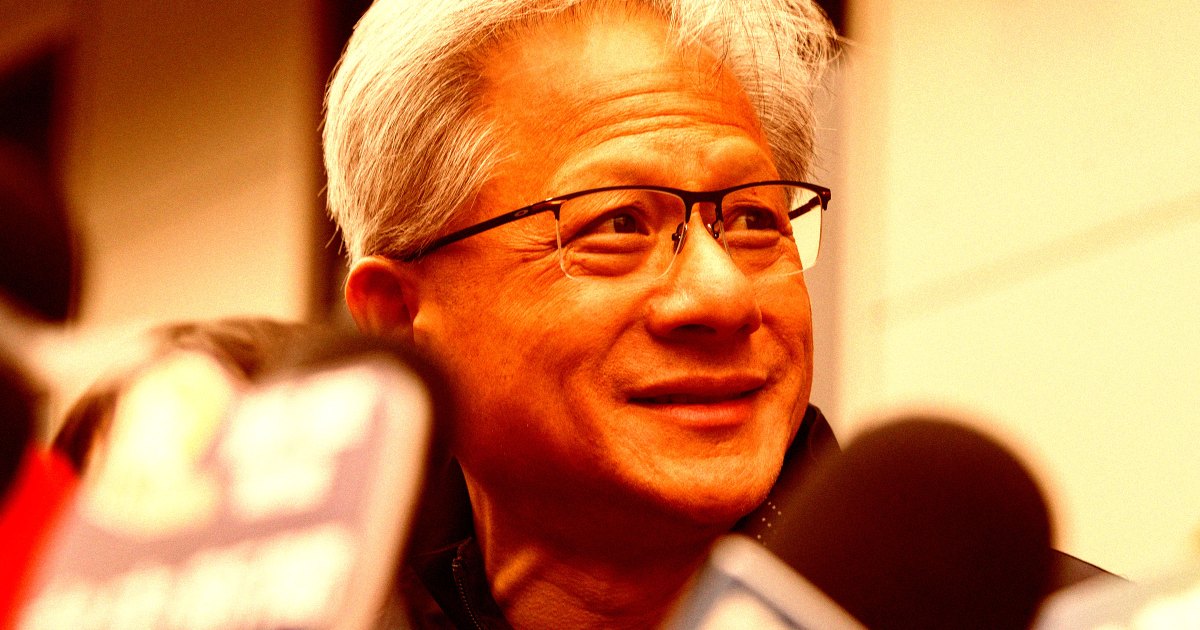
Tech billionaires continue to find new ways to alienate themselves from the public. After broad disillusionment with Big Tech played a major role in last week’s midterm elections, AI chipmaker Nvidia CEO Jensen Huang was forced to publicly admit that he had cheated on his wife with a suspected Chinese spy.
“I was unfaithful to my wife,” he wrote in a memo. “My actions hurt her and our children. There is no excuse for what I did.”
While infidelity among the obscenely rich isn’t in itself surprising, his affair could have major ripple effects on the entire economy — which has become massively dependent on the fate of the AI industry.
Shares of the chipmaker fell a stunning eight percent when trading resumed Monday morning — but then greed kicked in, with the stock rebounding to a loss of around four percent. Nvidia’s investigation into the affair clearly has investors rattled, though, and likely worried that Huang could lose control of one of the most valuable companies in the world, so expect a wild ride as the market grapples with exactly how bad the scandal actually is.
The woman Huang was involved with is Chinese businesswoman Alice Huang — no relation; it’s common last name — who has been accused of passing sensitive information to Beijing, Reuters reports. (The Chinese government has since described the narrative as “purely a groundless accusation, slander, and a smear.”)
Huang holds a roughly 3.6 percent stake in Nvidia, making him the fifth-largest shareholder. Nonetheless, he has ruled the chipmaker with an iron first, with dozens of executives reporting directly to him, per Reuters.
The timing of the revelation couldn’t have been worse. As last week’s midterm elections proved, the AI industry has an enormous PR problem and is struggling to convince voters of the tech’s benefits.
“The market’s probably telling you now this does no favors to the stock whatsoever in a time when there’s a lot of conjecture as to the buildout of data centres,” Pepperstone head of research Chris Weston told Reuters.
Fellow billionaires have since come to Huang’s defense, with Tesla CEO Elon Musk agreeing with a post on his social media platform that his actions were “dumb” but that he was “irreplaceable for America’s AI leadership.”
President Donald Trump, who himself has a lengthy history of facing infidelity and sexual assault accusations, tried to downplay the severity of Huang’s actions, a revelation that would’ve once buried any executive’s chances of saving face.
“I hope everything’s fine,” Trump told reporters on Sunday. “He’s done such an incredible job.”
More on Nvidia:Nvidia CEO Promises Not to Kill Everybody Before 2030
Chaos has released Corona 16, the latest version of its production renderer for architectural visualization and portfolio rendering in 3ds Max and Cinema 4D.
New features include the option to relight imported 3D Gaussian Splats inside Corona, a native parallax interiors system, and better support for Corona material in the Vantage Live Link.
The release also introduces Chaos’s new AI Assistant, intended for tasks ranging from providing context-aware tech support to recommending assets from the Chaos Cosmos library.
Gaussian Splats are now relightable Support for 3D Gaussian Splats, originally added in Corona 14, has been extended, with Corona 16 adding the option to relight them.
Scene lighting can now illuminate splats, helping them to blend better into a scene.
The update also adds a clipping mask for Gaussian Splats, support for the compressed SPZ format, and for Max users, support for rendering the new native 3ds Max Gaussian Splats.
Parallax interiors add interior depth to 3D buildings, without interior geometry The release also adds the new parallax interiors system recently introduced in V-Ray.
When applied to a window on the exterior facade of a building, parallax textures give the illusion of a 3D interior behind it.
The workflow adds realistic interior depth to rendered buildings without the need to create any actual internal geometry.
More generally, a new parallax displacement mapping option in the Corona Physical material reduced the memory needed for renders relative to conventional geometry displacement.
New AI Assistant provides tech support and asset recommendations Corona 16 also introduces Chaos’s new AI Assistant.
It has a range of functionality, from providing context-aware technical support to finding assets in the accompanying Chaos Cosmos asset library.
A potentially more controversial feature is Render Critique, which literally critiques your renders, scoring them out of ten in criteria like photorealism, composition, and quality of lighting.
You can read more about it in our story on V-Ray 7.5 for 3ds Max, in which it also just rolled out.
However, unlike the V-Ray documentation, the Corona 16 launch video (embedded above), emphasizes that Render Critique is intended primarily for beginners, not experienced artists.
Vantage Live Link: better support for Corona materials Outside the core application, the new-ish Live Link to Vantage, Chaos’s real-time renderer, gets a lot of updates.
Support for Corona materials has been greatly improved, with the Live Link now supporting normal maps, metalness and refraction, the Ambient Occlusion shader, and the Slicer material.
It is also now possible to export multiple cameras via Live Link.
Cinema 4D only: reduced CXR file sizes For Cinema 4D users, it is now possible to save images in Corona’s native .cxr file format with 16-bit layers, significantly reducing file sizes.
Layers that require 32-bit data, like Cryptomatte, are kept at the higher bit depth.
Price and system requirements Corona 15 is compatible with 3ds Max 2016+ and Cinema 4D R17+. It is rental-only.
Named-user Corona Solo subscriptions cost $62.90/month or $414/year. Floating Corona Premium subscriptions now cost $562.80/year.
Read a list of new features in Corona 16 for 3ds Max in the online release notes
Find more details of the new features in Corona 16 for Cinema 4D in the online documentation
Have your say on this story by following CG Channel on Facebook, Instagram and X (formerly Twitter). As well as being able to comment on stories, followers of our social media accounts can see videos we don’t post on the site itself, including making-ofs for the latest VFX movies, animations, games cinematics and motion graphics projects.
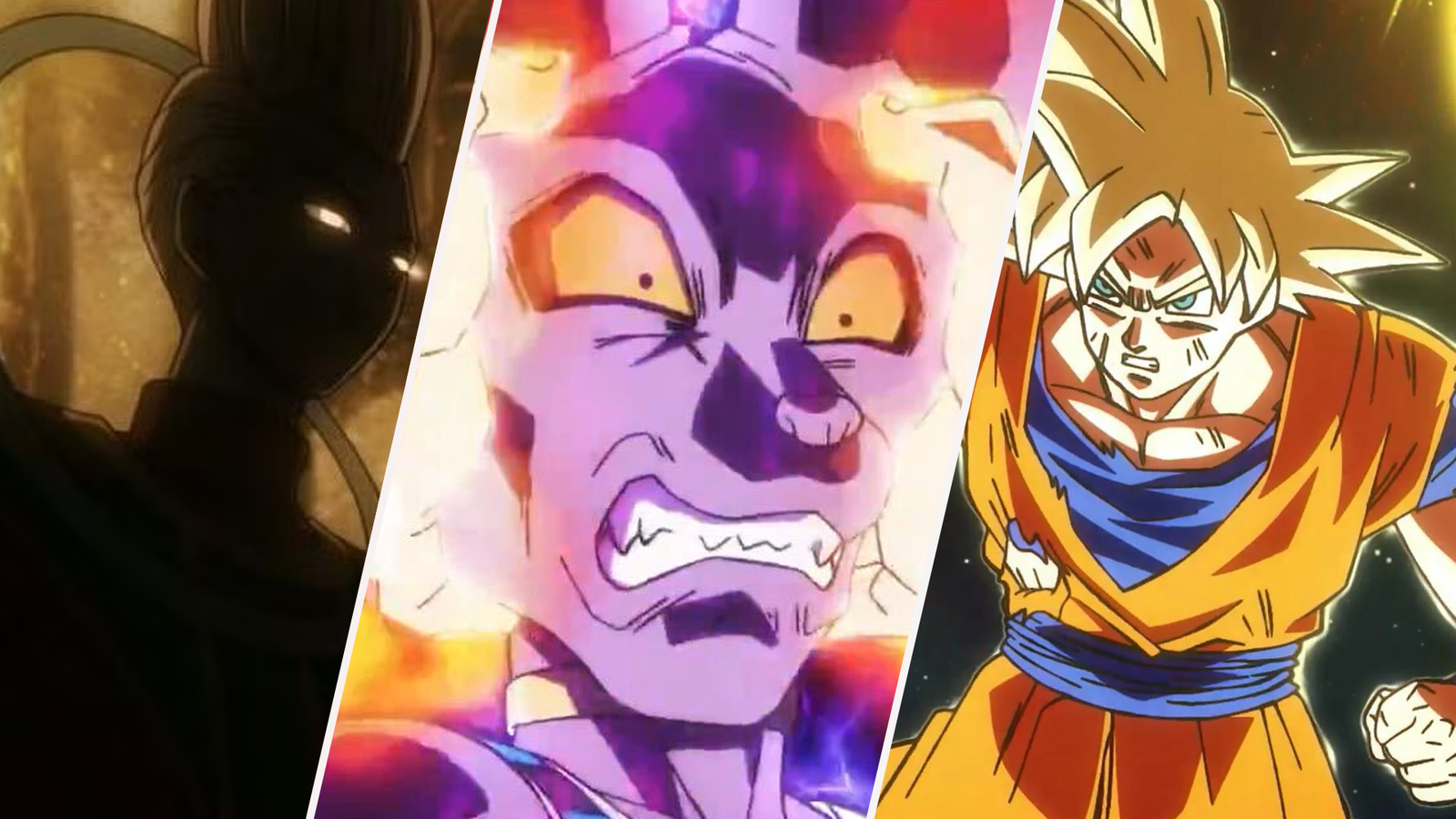
The battle of Gods has officially begun in Dragon Ball Super: Beerus. Goku has unlocked Super Saiyan God, the fate of the Earth is at stake, and all Goku has to do is defeat the most powerful God of Destruction in existence. Dragon Ball Super: Beerus Episode 5 didn’t shake up the status quo too much from the previous episode, but it put into perspective what Goku and Beerus are capable of in the remake.
Dragon Ball Super: Beerus takes place in an alternate timeline from the original anime and Toyotarou’s manga, but as of yet, it’s hard to tell where the remake scales power-wise. Goku’s battle with Beerus feels a lot more intense this time around – especially with Beerus subtly using his own version of Ultra Ego – but there’s some evidence that the series’ power scaling won’t be as out of control as previous DBS continuities. Worth noting, since Dragon Ball Super: Beerus Episode 5 mostly focused on Goku VS Beerus, a good chunk of the cast did not appear in the episode and won’t be included in the power ranking.
7
King Kai Makes One of His Last Appearances Ever
Although he might make one more appearance in Dragon Ball Super: Beerus Episode 6 as the Battle of Gods Saga wraps up, this might very well be a series wrap for King Kai. Following the introduction of Beerus and Whis, they become the highest tiered Gods that Goku interacts with, meaning he doesn’t need to keep coming back to King Kai like he did in Dragon Ball Z.
From here on out, we won’t really be seeing King Kai anymore. He’d already faded in relevance by the end of the Buu Saga, but Battle of Gods tried to give him one last hurrah. In terms of Power Level, King Kai is weaker than even Nappa was in the Saiyan Saga, so it’s not like he can pull his way in Dragon Ball Super.
6
Old Kai is About to Lose All His Relevance
Speaking of irrelevancy, Old Kai is also on his way out. Battle of Gods is the last time both King Kai and Old Kai are important to Dragon Ball‘s storyline. Old Kai isn’t physically powerful himself, but the mystical abilities he unlocked by fusing with a witch allow him to create the strongest warriors in the universe.
In Dragon Ball Z, Old Kai uses his powers to unlock Gohan’s Ultimate form, making him the strongest unfused fighter at the end of the series. Of course, neither Goku nor Vegeta would ever want their potential unlocked that way and Dragon Ball Super‘s expanding pantheon means that Old Kai doesn’t really have a place in the plot anymore. Even in the original series, he was mainly a way of calling back to Master Roshi for the manga’s grand finale.
5
Kibito Kai is Going to Defuse in Two Arcs
Since Kibito Kai does not appear in Resurrection F, these next two episodes are the last time he’ll ever be seen in Dragon Ball Super. By Dragon Ball Super: Beerus‘ final saga, Kibito Kai will have defused off-screen into Supreme Kai and Kibito. While he often goes unnoticed since he never fights, Kibito Kai is actually quite powerful.
He’s not strong enough to defeat any version of Majin Buu, but he would easily be able to sweep every Dragon Ball villain up to the Cell Games. From there, he’d start having a lot of trouble. Interestingly, Kibito Kai is the rare fusion doesn’t like the fact that he exists, hence why he ends up defusing in-between arcs.
4
Gohan is Officially Washed
Although Dragon Ball Super: Super Hero did a lot of good in rehabilitating Gohan’s image, the fact of the matter is that Dragon Ball Super didn’t care about Gohan at all for most of its run. As a remake of the original series, there’s unfortunately not much Dragon Ball Super: Beerus can do to fix things. If anything, the remake seems to be making the problem worse.
Gohan is a lot weaker in this continuity, to the point where Majin Buu did more damage against Beerus than he did. All Gohan does in Dragon Ball Super: Beerus Episode 5 is doubt whether or not his father has become a God because he can no longer sense Goku’s ki. Not being able to sense God Ki is one thing, but doubting Goku? Gohan may not be physically weak, but he’s become weak of character.
3
Super Saiyan God Goku is Not the Challenger Beerus Wanted
Dragon Ball Super: Beerus Episode 5 outright confirms that Super Saiyan God Goku’s Power Level is far beyond anything that was seen in Dragon Ball Z. Goku can barely comprehend the sheer volume of his growth in the remake. Unlocking Super Saiyan God gives Goku the power and speed he needs to actually use his martial arts skills against Beerus – a fact that impresses the Destroyer, albeit only briefly.
As their fight goes on, Beerus begins to grow disappointed in Super Saiyan God Goku. Even with God Ki, Goku can’t push Beerus to use his full Power Level. In the end, Beerus laments that Goku is not the Super Saiyan God he was waiting for, also confirming that the Saiyan in Beerus’ visions from previous episodes were in fact Yamoshi. That said, Episode 5 ends with Goku seemingly absorbing the power of Super Saiyan God into SSJ and showing signs of early Ultra Instinct mastery, so it would be wrong to call him weak.
2
Beerus Officially Uses Ultra Ego Against Goku
In what is perhaps the single biggest change in Dragon Ball Super: Beerus, the remake has introduced Ultra Ego early. While the anime never utters the words “Ultra Ego,” it’s obvious just based on how Beerus’ aura has been redesigned and the added visual effects to his Hakai attacks make it obvious that the animators are setting up Vegeta’s new form in Dragon Ball Super 2.
While Beerus does let Super Saiyan God Goku flex for a bit, it goes without saying that the God of Destroyer is still leagues stronger than him. Beerus is capable of countering every single blow Goku throws at him. His use of Hakai distorts the world around him due to its sheer power. Beerus even comes close to actually killing Goku, nearly piercing his heart in a flurry of blows.
Rearrange the movies into the correct US release order.
Sign in to claim your place on
the leaderboard!
Results
—
—
—
Sign in to claim your place on
the leaderboard!
No scores yet. Be the first.
No scores yet. Be the first.
1
Whis Finally Sees Goku’s Potential
Whis only appears for a very brief moment in Dragon Ball Super: Beerus Episode 5, but he’s watching Goku and Beerus’ battle the entire time off-screen. Whis hasn’t paid much attention to Goku these past few episodes, but all of that is going to change now that he’s unlocked Super Saiyan God. While Goku will fail to beat Beerus, he’ll succeed in impressing Whis.
Especially in this continuity where Goku has already shown he has what it takes to use Ultra Instinct. If anything, Whis showing an interest in Goku and mentoring him now makes infinitely more sense because of Dragon Ball Super: Beerus‘ visual changes. Whis is going to begin training Goku in the next arc and is easily the strongest of his masters.