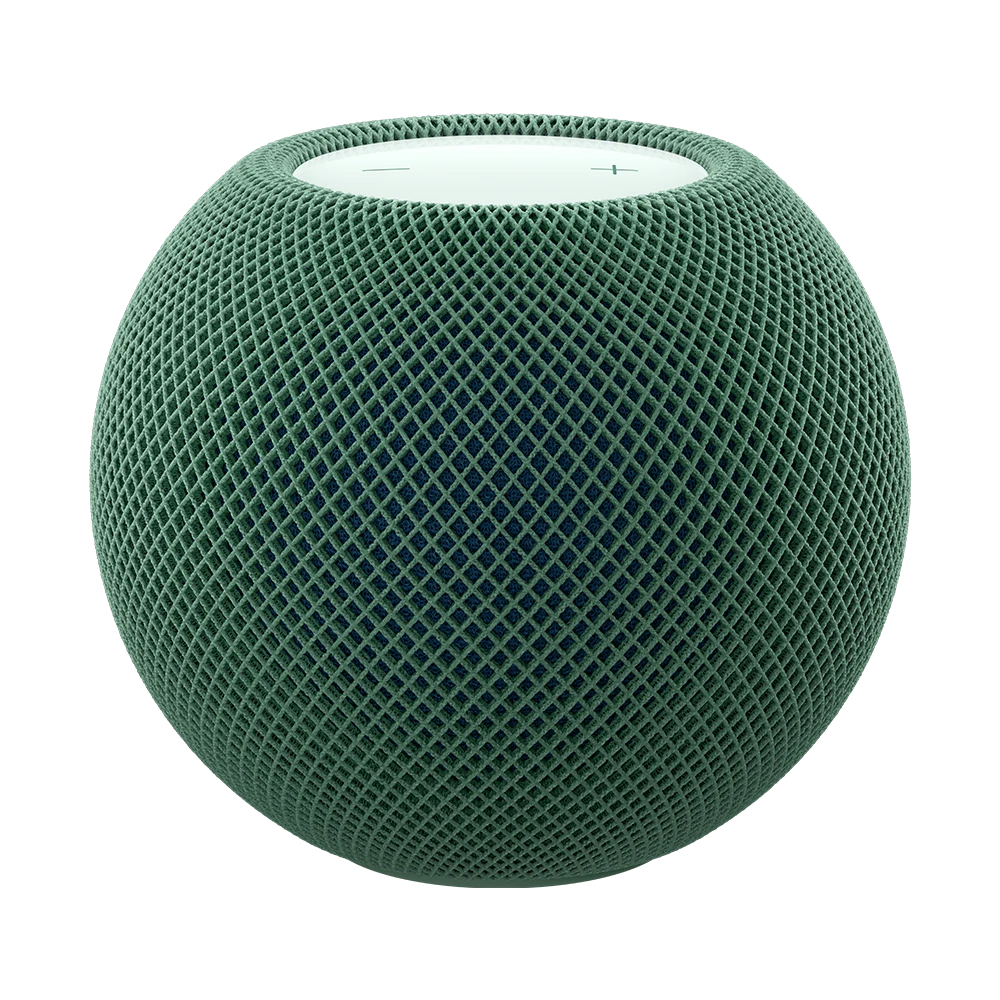
Apple has refreshed its smallest smart speaker with a chip built for artificial intelligence, betting that a more conversational Siri can keep the HomePod Mini 2 competitive in a category where Amazon and Google have been shipping products for years. The new speaker sells for $149, up from the $100 Apple charged when the original Mini arrived.
The headline change is internal. Apple swapped the first-generation model’s S5 processor for an S10 chip, and also moved the speaker from Wi-Fi 4 to Wi-Fi 6E and from Bluetooth 5.0 to Bluetooth 6. According to ZDNET’s early testing, the silicon upgrade is the most persuasive reason to buy the new model. The added computing headroom is aimed less at music playback than at real-time audio processing, Apple Intelligence features, smart home coordination and more advanced Siri handling.
That distinction matters. The S10 does not appear to deliver a dramatic leap in sound, and the publication’s first impressions describe audio quality as broadly similar to the outgoing Mini. Full judgments on audio are pending further testing.
Siri AI, Apple’s rebuilt voice assistant, is the other pillar of the pitch. It is reachable by saying “Siri” or “Hey Siri,” understands natural language and can sustain more complex exchanges than the older assistant. Setup requires a compatible iPhone, and Apple has removed the waitlist that previously gated access. The original HomePod Mini will not receive Siri AI, which Apple attributes to insufficient processing power.
Apple also trimmed the microphone count in the speaker’s array, dropping one of four, without publicly explaining the decision. In practice, the reduced array did not appear to hurt voice recognition during early use.
| Feature | Original HomePod Mini | HomePod Mini 2 |
|---|---|---|
| Launch price | $100 | $149 |
| Processor | S5 | S10 |
| Wireless | Wi-Fi 4, Bluetooth 5.0 | Wi-Fi 6E, Bluetooth 6 |
| Siri AI | Not supported | Supported (with compatible iPhone) |
| Microphones | Four | Three |
| Sound | 360-degree | 360-degree, broadly similar |
Note: Pricing and specifications as reported in early hands-on coverage.
The competitive picture is less flattering on price. Amazon’s new Echo Dot and Google’s Home Speaker both list at $100, $49 below the Mini 2. The increase reflects broader price increases across Apple’s lineup rather than new hardware costs alone, and it puts the Mini 2 at a premium in the compact segment.
On capability, the early verdict is mixed. Siri AI is the newest of the three major assistants and, in side-by-side use at home, still showed the most gaps, with Amazon’s Alexa+ judged more informative, if also more intrusive in tone. That assessment is preliminary and could shift as Apple ships software updates and more users put the assistant through its paces.
Apple is also pushing the Mini 2 as a home hub, leaning on built-in temperature and humidity sensors, hands-free Siri and the ability to anchor smart home routines. The company has been expanding its home ambitions more broadly: its first smart display, the $299 HomeView, arrives this week, nearly a decade after Amazon and Google entered the category. That device runs on the A18 chip and relies on a paired iPhone or iPad to mirror apps, and it similarly places Siri AI at the center of the experience. Amazon’s Echo Show lineup now spans six sizes from 5 to 21 inches, starting at $100 for the Echo Show 5, while Google’s current stable is limited to the second-generation Nest Hub at $100 and the Nest Hub Max at $229.
For existing Mini owners, the calculus is narrow. Anyone satisfied with the current speaker’s sound and uninterested in Siri AI has little reason to trade up, since the design is largely unchanged and the audio gains appear modest. The upgrade case rests on AI features, faster wireless and the hub role. For buyers new to Apple’s ecosystem, the decision comes down to whether tighter iPhone integration is worth a $49 premium over rival speakers that now ship with more mature assistants.
The larger question is strategic. Apple spent two years building out Apple Intelligence after announcing it in 2024, and the HomePod Mini 2 is one of the first pieces of hardware designed around that stack rather than retrofitted for it. Whether that translates into a durable advantage in the home depends on how quickly Siri closes the gap with Alexa+ and Gemini, and on whether Apple can justify premium pricing while it does.