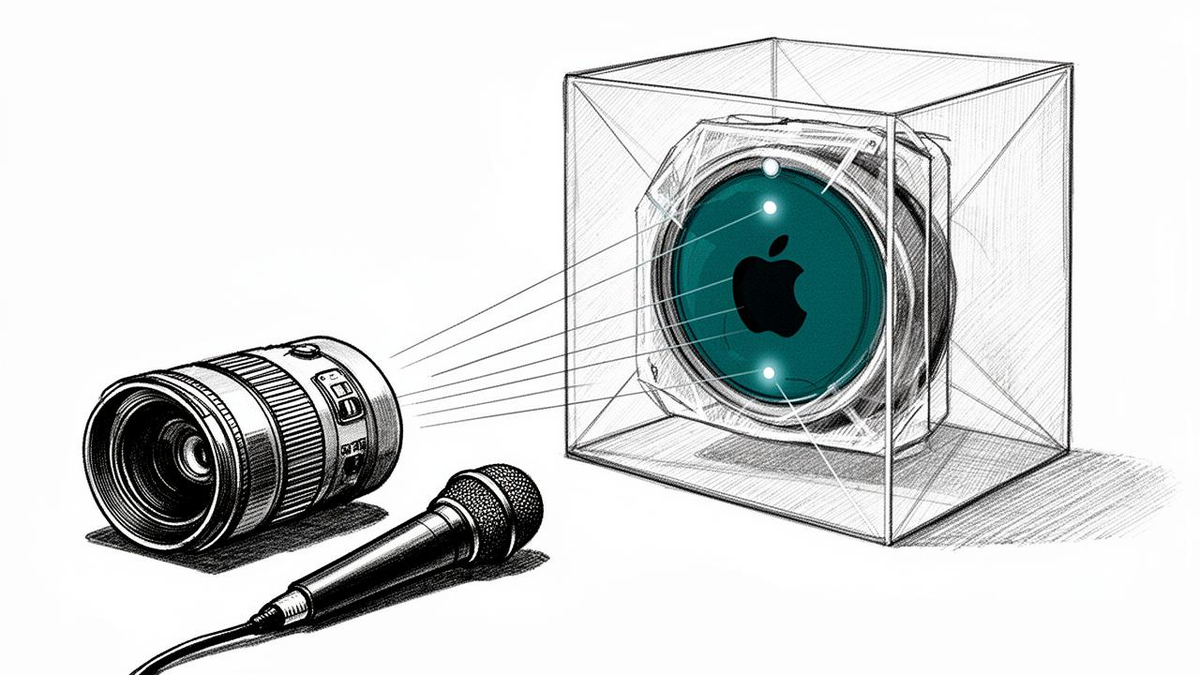
Apple has disclosed a technical framework aimed at separating what a device senses from what it actually captures, as always-on cameras and microphones become more common in AI-driven products.
The approach goes beyond the standard permission prompt that asks whether an app may access the camera or microphone. According to a report on the disclosure, Apple is designing controls around where information generated during detection travels, isolating original data inside a dedicated secure space built on the Secure Enclave.
The company also described verification of recording and shooting indicators, so that a device’s visible or audible signals can be checked against actual capture activity. The framework covers functions such as Siri invocation and person recognition, which rely on continuous sensing.
The disclosure lands as smart glasses and home AI devices spread, sharpening scrutiny of privacy safeguards and of the technical limits of such protections. Apple has not said which products will carry the system or when it will ship.
Separately, 9to5Mac’s Overtime podcast published a long-term review of the iPhone Duo, weighing whether the device still justifies its price without a telephoto lens or Face ID. The hosts examined its multitasking performance, its FaceTime features and how it compares with the Galaxy Z Fold 8, and also discussed Apple’s unusually dense product rollout and rumors of a second-generation MacBook Neo.
The two items point in different directions for Apple: one toward the privacy architecture underpinning ambient computing, the other toward the competitive standing of its current hardware lineup.