For many Filipinos, debt is rarely seen as just money owed. It is emotional. It carries guilt, shame, sacrifice, and obligation. Sometimes, it is even mistaken for love.
This emotional relationship with utang is what makes the second episode of Metrobank’s “Moneygurado” particularly thought-provoking. It is the bank’s recently launched financial mindfulness advocacy grounded in real-life stories, cultural realities, and everyday experiences. The “Moneygurado” docuseries explores money through real-life Filipino stories, unpacking how culture shapes financial behavior across debt, spending, saving, and resilience.
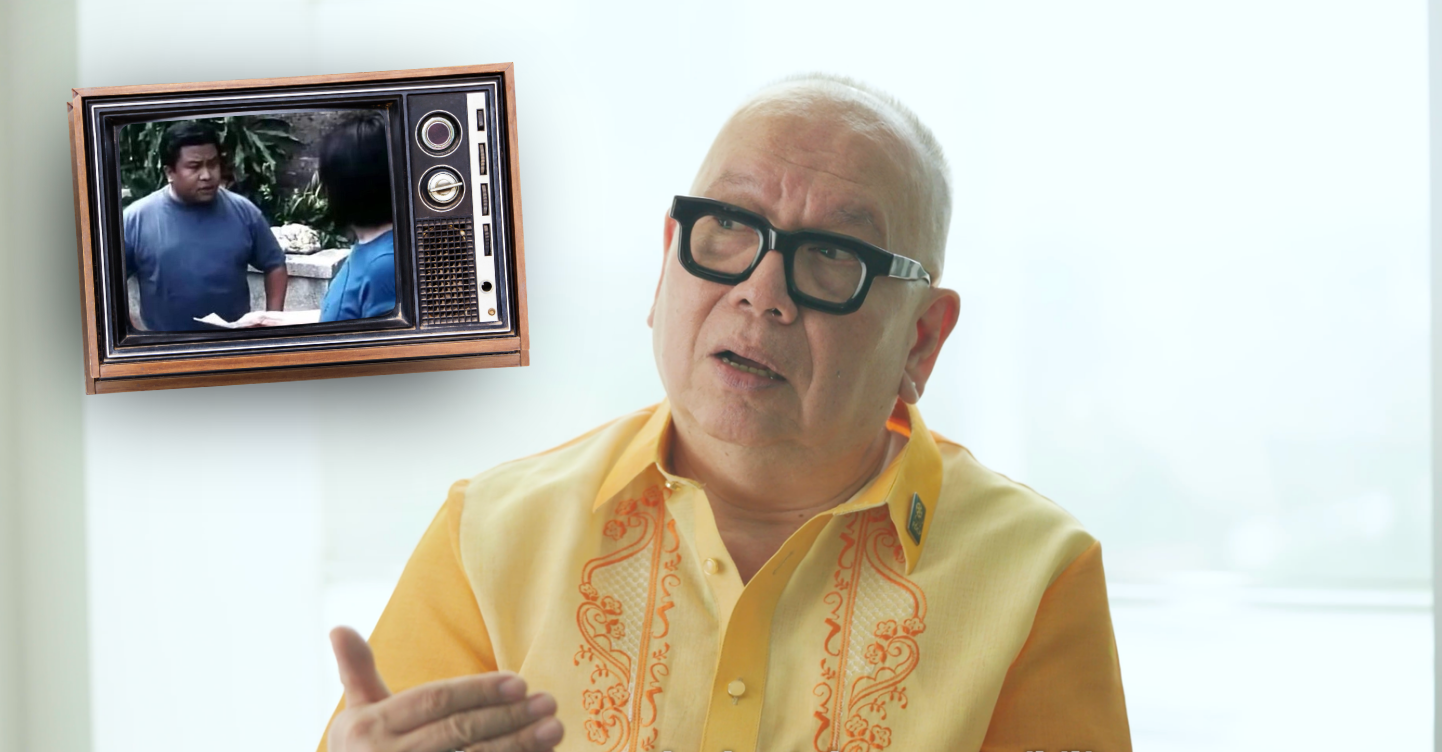
Featuring acclaimed filmmaker Joey Reyes, the episode explores how Filipino films have long shaped the way audiences think about borrowing, success, and self-worth.
Known for films such as “Pahiram ng Isang Umaga,” “Batang PX,” and “Kasal, Kasali, Kasalo,” Direk Joey examines how local storytelling often glorifies sacrifice to the point that financial suffering becomes normalized.
In many Filipino movies, audiences are taught to admire characters who willingly drown themselves in debt for their families, endure endless hardship without boundaries, or risk everything for the dream of escaping poverty. These stories are emotionally powerful because they reflect real Filipino struggles—but the episode questions whether audiences have also unknowingly absorbed unhealthy financial beliefs from them.
One of the strongest points raised in the episode is how films sometimes equate self-worth with financial success. Characters who “make it” are often portrayed as worthy of admiration, while those who remain poor are made to feel inadequate or left behind. Over time, this creates dangerous pressure to succeed quickly, earn more at any cost, or maintain appearances even beyond one’s means.
Direk Joey shares how some young people aspire to become celebrities not because they genuinely love acting, but because they see fame as the fastest way to rescue their families from hardship. Others overspend or borrow recklessly to project success and social status. In both cases, money becomes tied to identity and validation rather than responsibility.
What makes the episode effective is that it does not condemn ambition. Instead, it questions the culture of shortcuts surrounding success.
“There is nothing wrong with being ambitious,” Direk Joey explains in the episode. “But there is such a thing as being responsible.”
He warns against the mindset of wanting instant success without understanding the consequences that come with careless borrowing, impulsive spending, or living beyond one’s means. The episode subtly reminds viewers that some financial behaviors portrayed dramatically in films should not always be copied in real life.
The docuseries also challenges another common Filipino mindset—that debt should either be feared completely or hidden out of shame. Instead, the episode reframes borrowing as something that requires discipline, education, and long-term thinking. Debt, when understood properly, can be a financial tool. But when driven by pride, pressure, or emotional spending, it can quickly become destructive.
What “Moneygurado” does particularly well is how it turns financial conversations into cultural reflection. Rather than relying on technical advice, the episode uses familiar Filipino experiences and film narratives to help viewers examine their own habits, beliefs, and motivations around money.
More than a discussion about loans or credit cards, Episode 2 becomes a critique of the unhealthy financial behaviors society sometimes romanticizes—from over-sacrificing for family to equating wealth with personal value.
And that is what makes the episode resonate: it reminds viewers that financial responsibility is not just about earning more money, but about understanding why we spend, borrow, and sacrifice in the first place.
Watch Episode 2 of “Moneygurado” featuring Direk Joey Reyes:
As an added resource, Metrobank also introduced HANDS, its financial guide designed to help individuals become more intentional with their spending and invest in their future without having to sacrifice the quality of their lives.
Know more about HANDS and how to turn that dream of long-term stability into an everyday reality here.
Watch out for the next episodes of the Moneygurado docuseries and access learning materials for students, families, and communities through its Earnest website: https://earnest.metrobank.com.ph/moneygurado.
Metrobank
Website: https://www.metrobank.com.ph/home
Facebook: Metrobank
Instagram: @metrobank
TikTok: @metrobank
YouTube: Metrobank