“Public concern appears to have shifted away from longer-term structural issues such as education and poverty and toward more immediate cost-of-living pressures, particularly inflation and the purchasing power of income,” OCTA said.
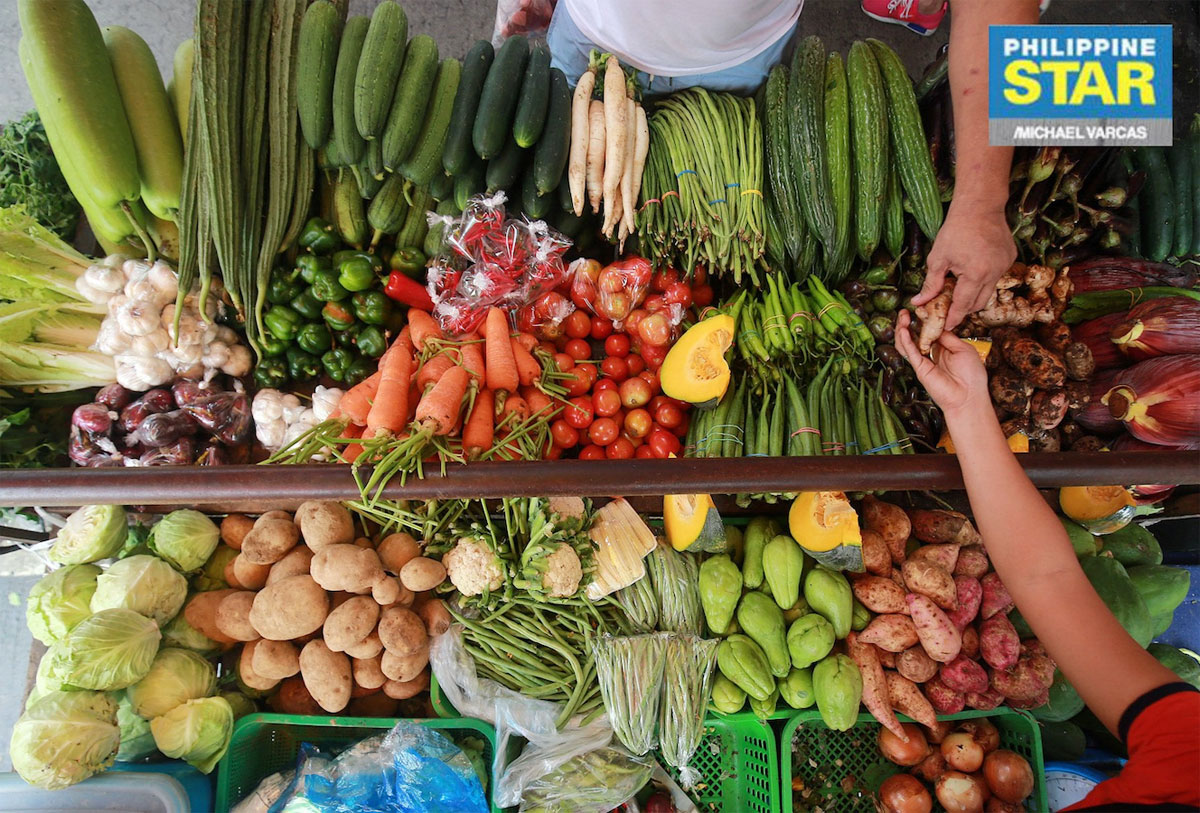
The rising cost of basic goods and services remains the most urgent national concern of Filipinos, according to a recent survey by the OCTA Research group.
The survey, conducted from March 19 to 25, found that 45 percent of the respondents selected inflation as one of the three most important issues that they want the Marcos administration to immediately address.
It was followed by improving or increasing wages (33 percent), fighting graft and corruption (26 percent), ensuring access to affordable food (24 percent) and reducing poverty (20 percent).
Other issues included fulfilling the promise to lower the price of rice (17 percent), providing free quality education (17 percent), creating more jobs (14 percent), providing assistance to the poor (13 percent), fighting illegal drugs (12 percent), providing assistance to farmers (10 percent) and fighting criminality (10 percent).
Selected by less than 10 percent of the respondents were issues related to promoting peace, reducing taxes, addressing involuntary hunger, supporting small businesses, providing subsidy to the general public to reduce the impact of rising oil prices, defending the West Philippine Sea and equal enforcement of the law.
Some respondents also selected stopping the destruction of the environment, protecting the welfare of overseas Filipino workers, controlling population growth, defending Philippine territory, preparing for terrorist threats and changing the Constitution.
Compared to a similar poll in December, OCTA noted that concern over inflation increased by four points (from 41 percent), while those who selected increasing wages dropped by 12 points (from 45 percent).
“The first quarter of 2026 trend results suggest a clear reordering of national priorities relative to the fourth quarter of 2025,” OCTA said.
“Public concern appears to have shifted away from longer-term structural issues such as education and poverty and toward more immediate cost-of-living pressures, particularly inflation and the purchasing power of income,” it added.
The polling firm said the renewed dominance of inflation “suggests that Filipinos are becoming more focused on immediate economic strain and day-to-day affordability than on broader long-term national challenges.”
OCTA’s first quarter survey had 1,200 respondents and a margin of error of plus/minus three percent for national percentages.