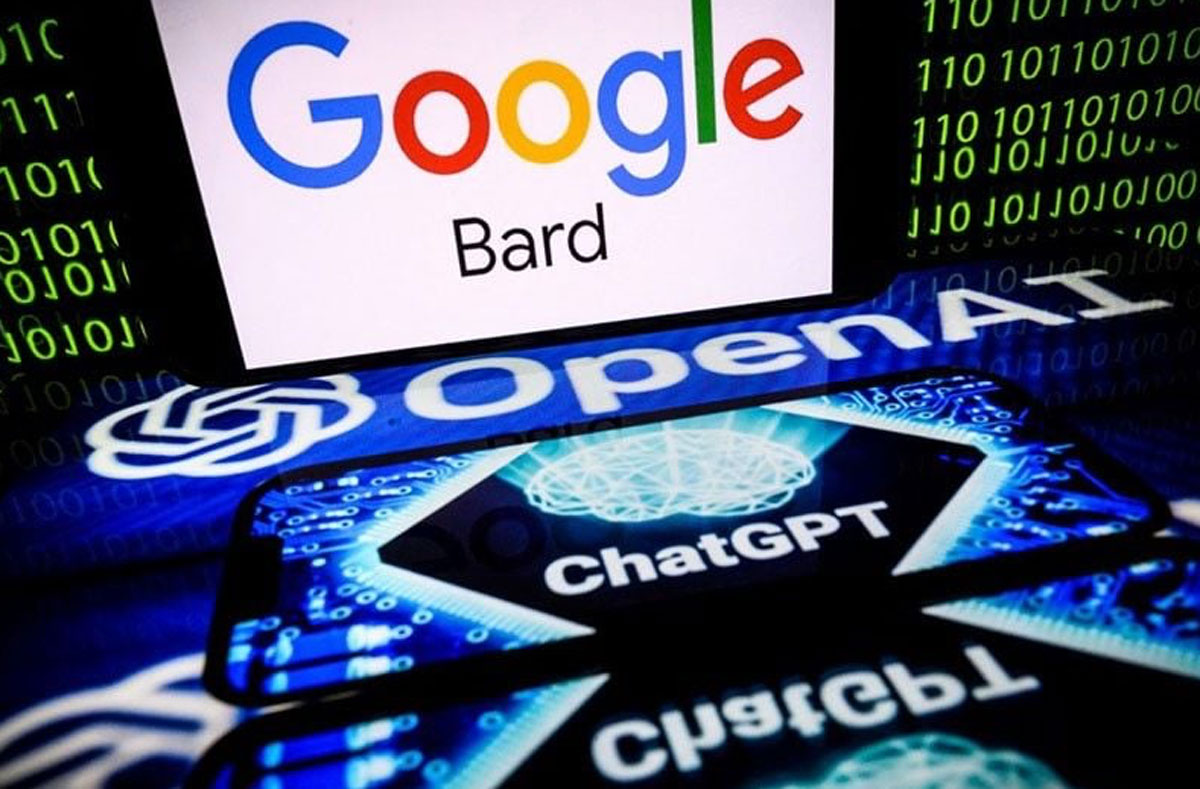
Based on a report, three in four Filipino students depend on generative AI to paraphrase online sources and claim it as their own in writing tasks at schools.
More Filipino students are using artificial intelligence tools for
educational purposes, particularly in paraphrasing and writing academic
tasks, according to an ASEAN Foundation report.
Eighty-three
percent of students in the Philippines have used generative AI, such as
ChatGPT, for learning purposes, the study found.
Three in four
Filipino students depend on generative AI to paraphrase online sources
and claim it as their own in writing tasks at schools.
AI adoption in the country is led by the younger population, ASEAN Foundation executive director Piti Srisangsam said.
Among educators, only 73 percent have used generative AI and 42 percent rely on AI tools for writing, the report said.
Eighty-seven
percent of students in Southeast Asia use AI tools to search for
information and 75 percent use AI for writing assistance, it noted.
With
cybersecurity threats rising as AI adoption in the region widens,
Srisangnam asserted that members of the Association of Southeast Asian
Nations should strengthen security policies and enhance governance
frameworks to fend off risks.
For Srisangsam, the Philippines is
one of Southeast Asia’s leading economies in powering the AI charge.
Similar to other countries, many Filipino educators look down on AI
tools, questioning their ethics and reliability in the classroom
setting.
Srisangnam said now is the time for Southeast Asia to
catch up on the AI race, warning that failing to level with its Asian
neighbors could mean opportunity losses in the long run.